
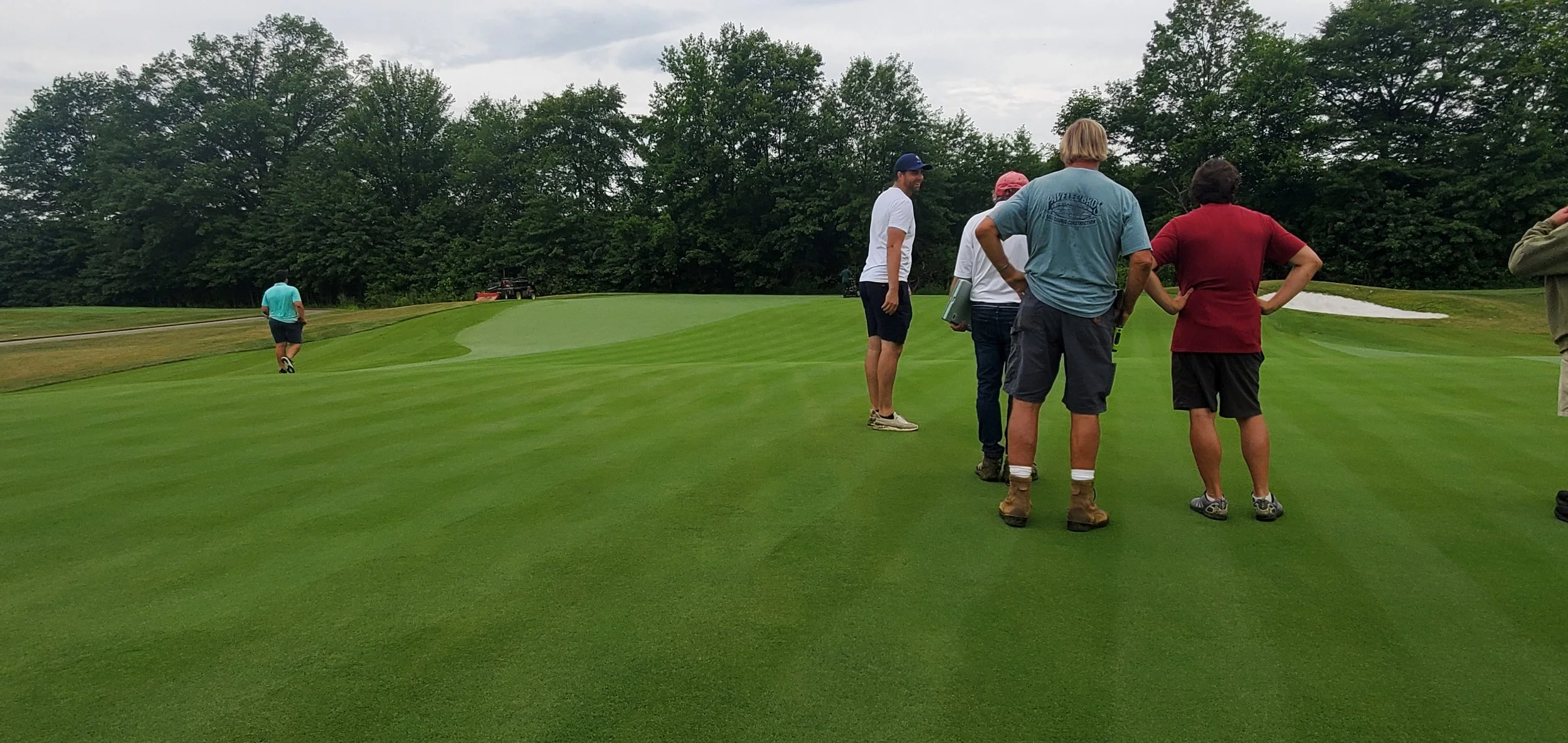
Step 18: Clean-Up and Punch List
The golf course is finally nearly ready for play! All that remains are some final very important details to ensure that the golf course is finished to the highest level of quality, which will best set it up for long-term sustainability and success.
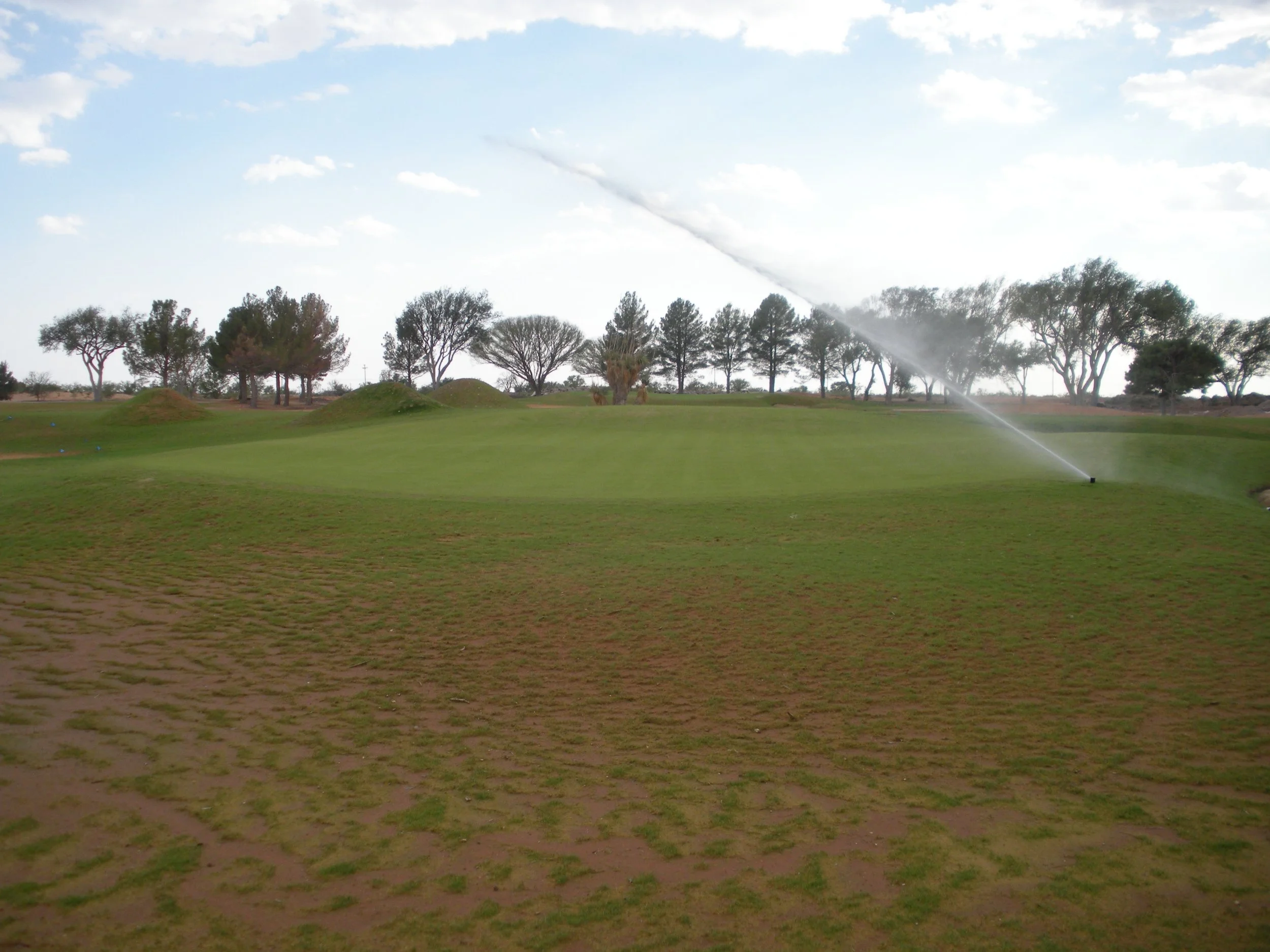
Step 17: Grassing, Grow-In, Landscaping, and Turf Nursery
Grow-in marks a transition period from the end of construction to the beginning of day-to-day maintenance.
Growing-in the turfgrass, whether warm- or cool-season, requires a very different maintenance regimen when compared to maintaining established turfgrass.
In addition to establishing the turfgrass, the period leading up to and including grow-in is critical for the superintendent to hire and train staff, procure materials and equipment, and plan for permanent maintenance and storage facilities.
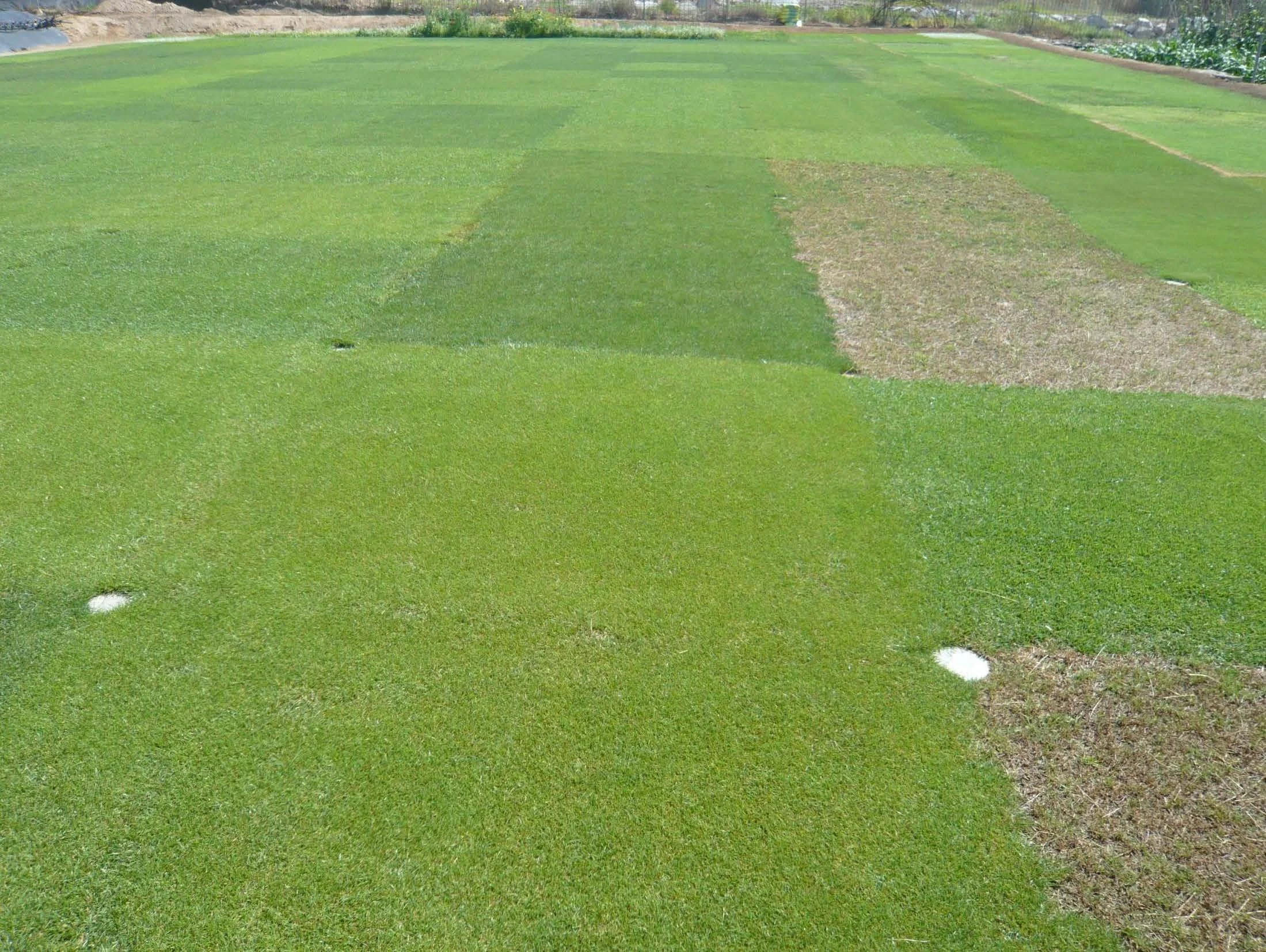
Step 16: Turfgrass Selection – Cool vs. Warm Season. Sodding vs. Seeding vs. Sprigging
A discussion of turf selection, the differences between cool and warm season grasses, and some thoughts on more sustainable maintenance practices and artificial turf.
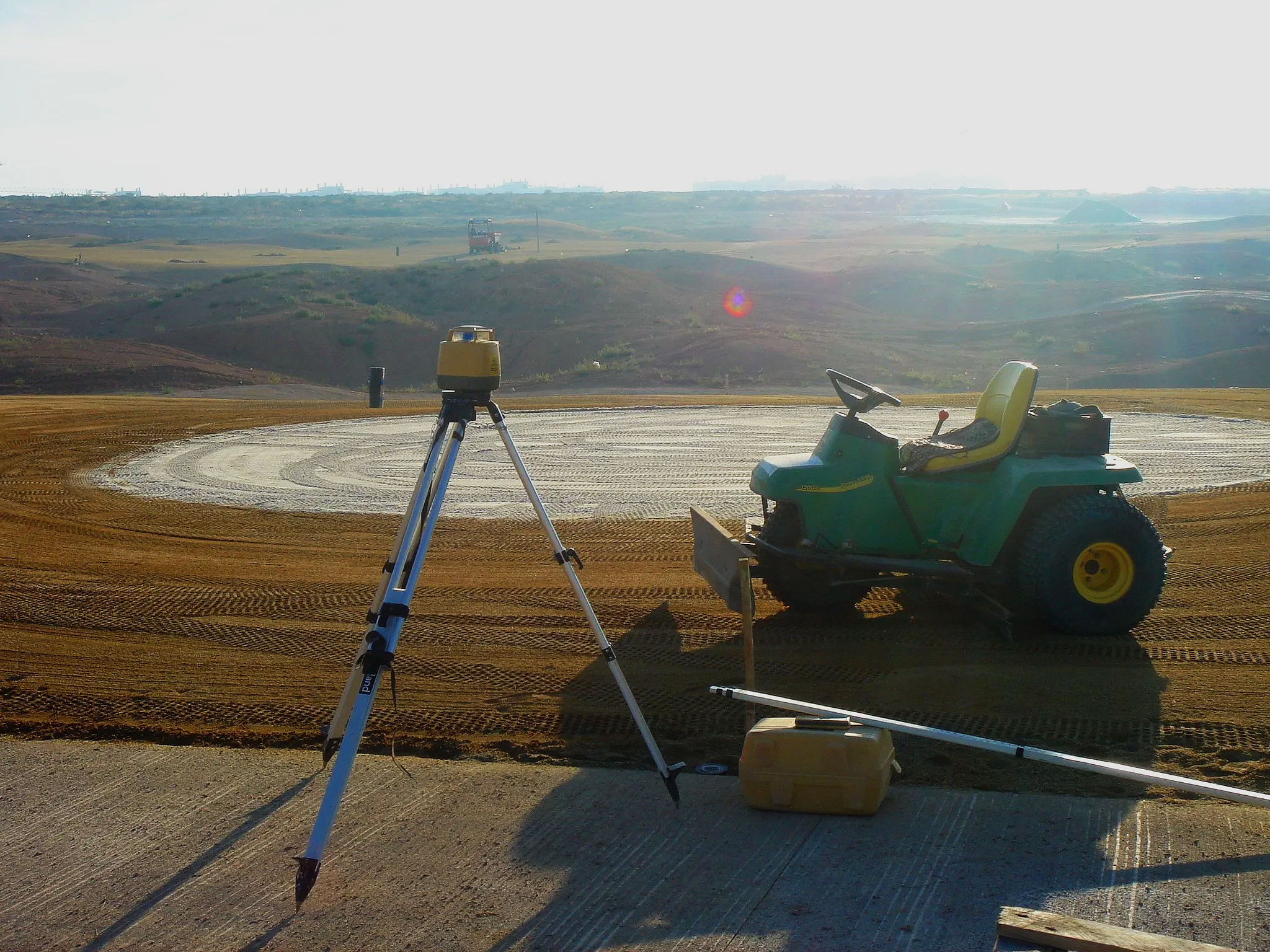
Step 15: Topsoil Respreading (or Sand Capping) and Seedbed Preparation
As fine shaping, drainage, and irrigation installation is approved, shapers can be redeployed to begin respreading the topsoil that had been stockpiled during the clearing and grubbing phase. This is also a good time for the golf course builder to begin addressing small final details, including bringing valve boxes to the correct levels, tying in the edges of cart paths with their surrounds, and setting catch basin grates.
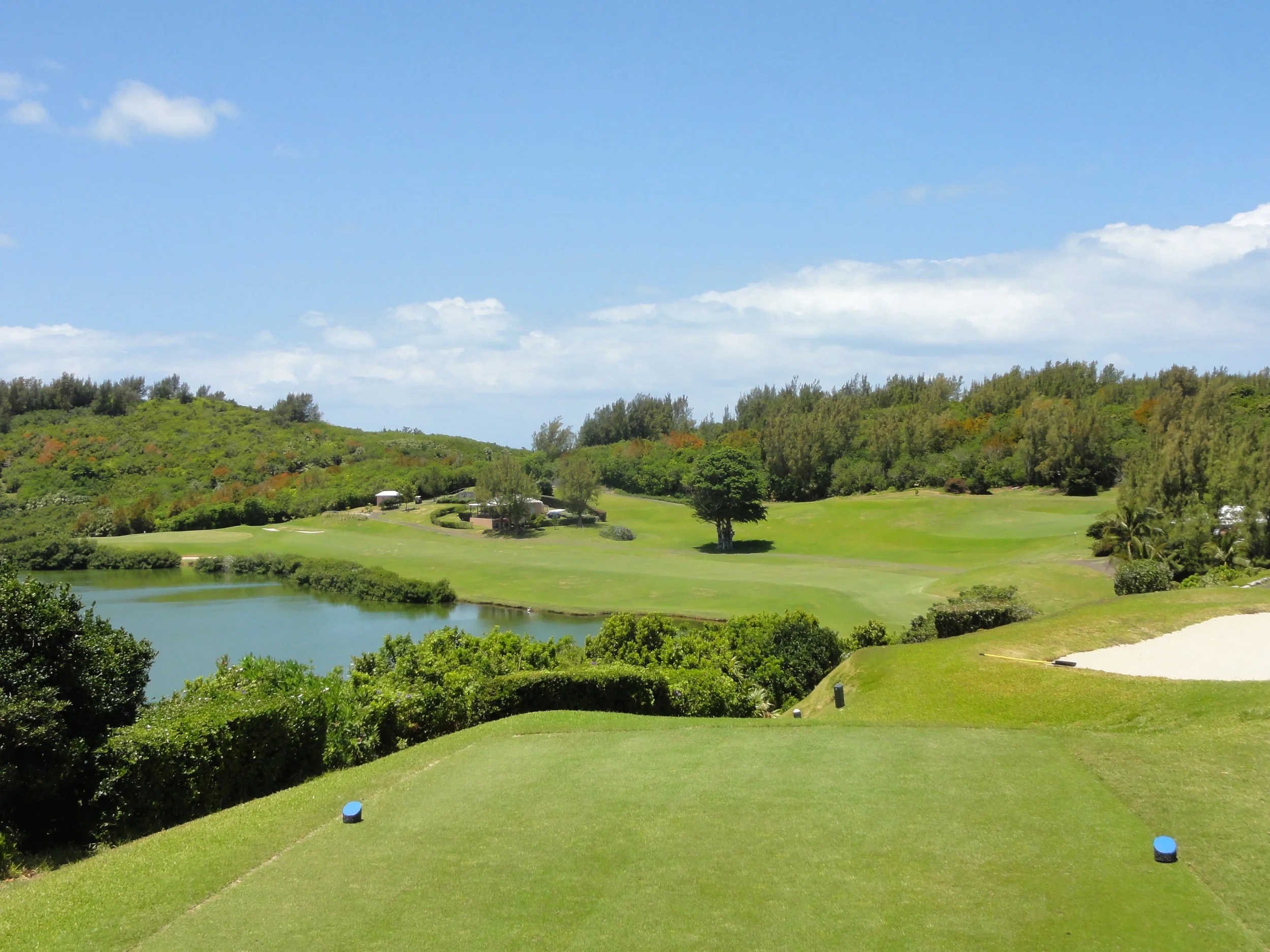
Step 14: Feature Construction Spotlight - Man-Made Water Features & Cart Paths
Well-designed water features serve a number of important purposes so it’s imperative that the storage, strategic, ecological, and aesthetic functions all be given due consideration by the golf course architect and that each man-made water feature serve as many of these functions as is practical.
Cart paths may often be a “necessary evil” to minimize the damage that golf carts can cause, but wall-to-wall concrete or asphalt paths are not necessarily always the best option, economically or aesthetically. Alternatives and restraint must be considered.
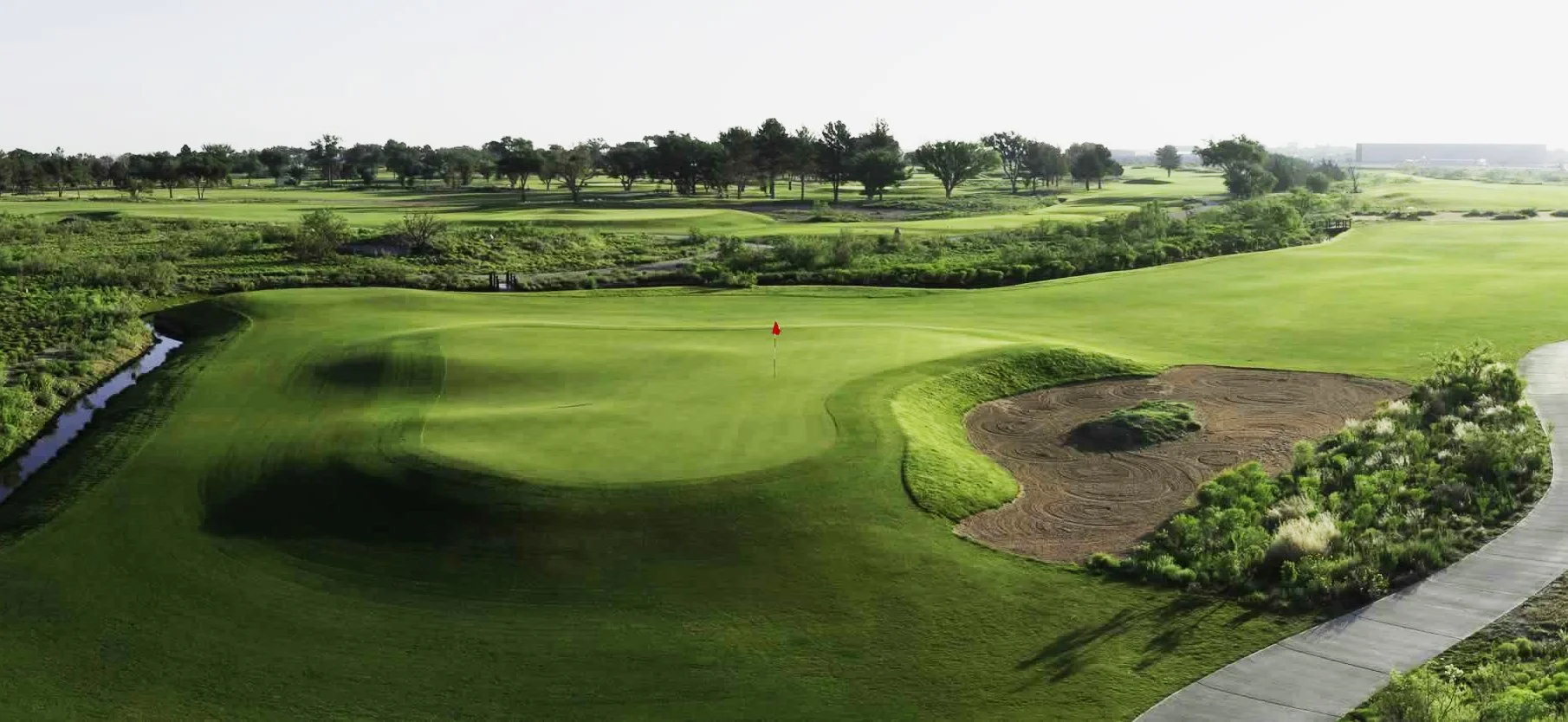
Step 13: Feature Construction Spotlight - Putting Greens
The putting greens are, without question, the most important designed and constructed strategic features on the golf course. If done well, the greens can make an otherwise bland site a memorable golf course. It can be argued that varied and interesting greens will make any golf course worth seeing – even overshadowing perceived deficiencies in length, routing, conditioning, etc. As a result, golf course architects often spend a disproportionate amount of time thinking about and designing the greens and their surrounds, especially relative to the amount of space that the greens occupy within the overall development.
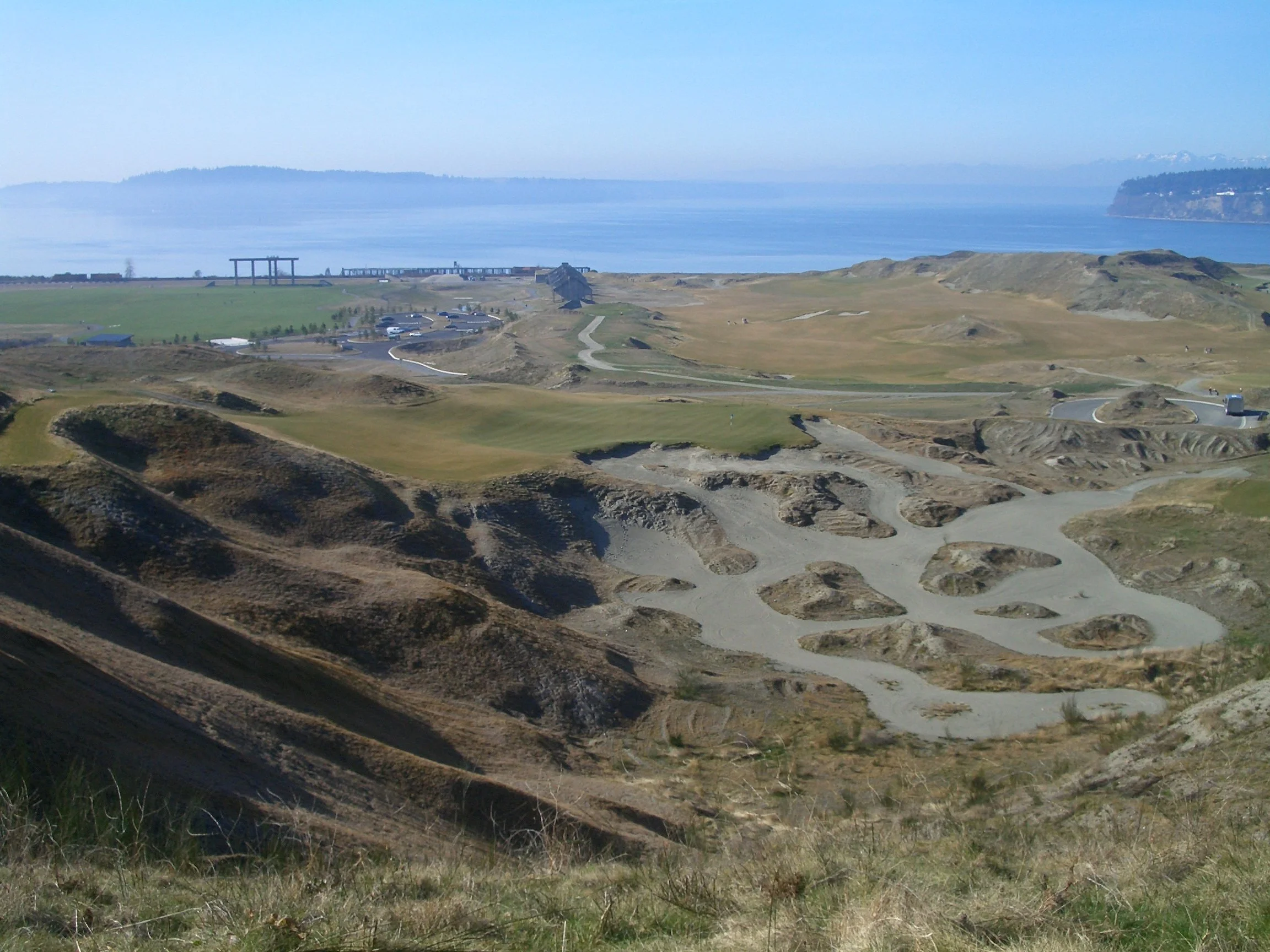
Step 12: Feature Construction Spotlight - Sand and Grass Bunkers
Sand bunkers come in all shapes and sizes, limited only by the imagination of the golf course architect and the client’s construction and maintenance budgets. We will discuss the design of the sand bunkers and the details of their construction.
Given their relatively high initial cost and ongoing maintenance expense, we will also discuss how the style and total area of the sand bunkers can have a big impact on the long-term economic sustainability of the golf course.
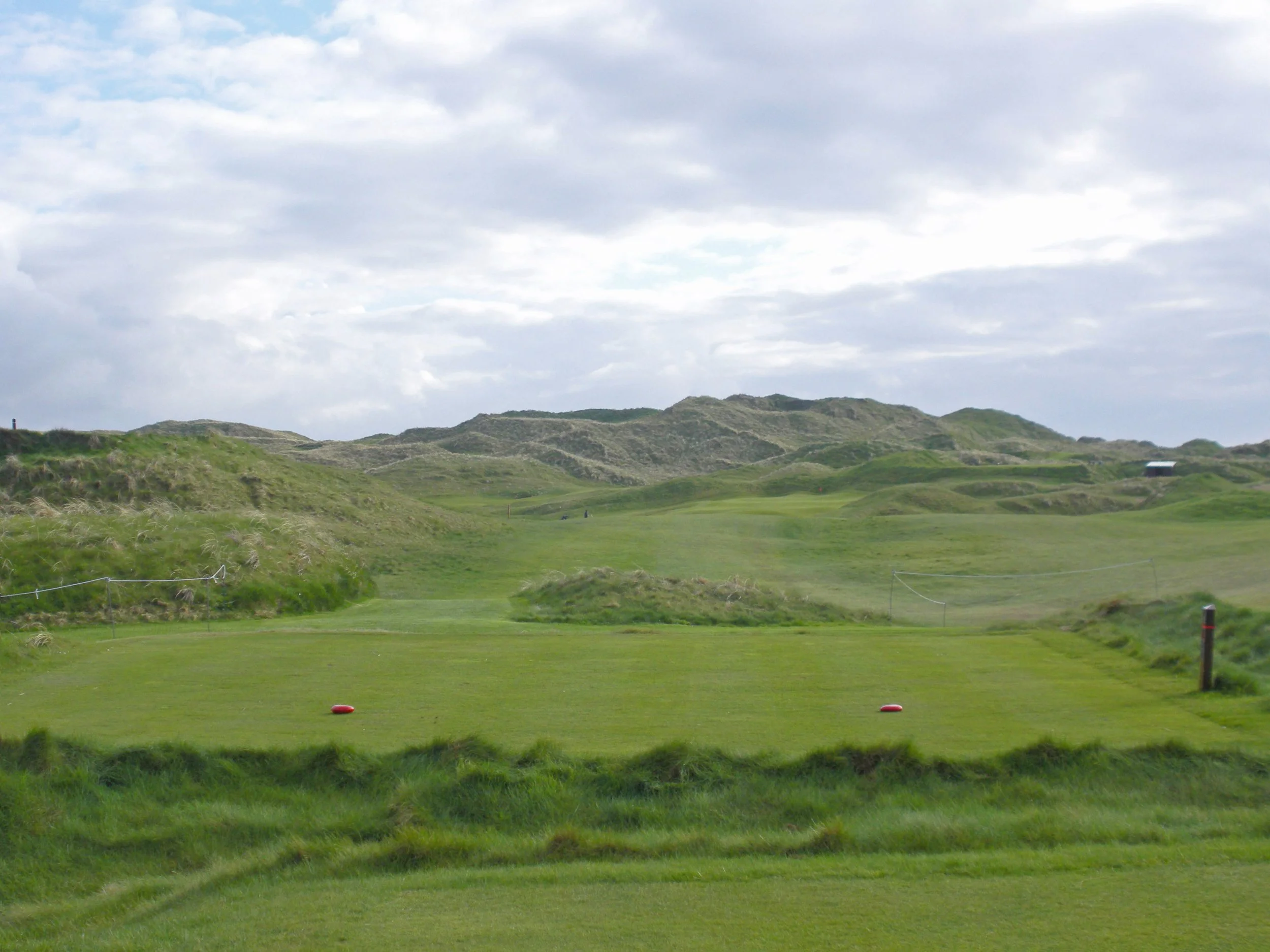
Step 11: Feature Construction Spotlight - Tees
One aspect of accessible design is to provide an engaging playing experience for all golfers. Tee location (not only distance from the green but also carry, angle, and visibility to the fairway and hazards) goes a long way toward determining whether the golf course will be fun and challenging for all skill levels and from all tees. We will also discuss ideal golf course length and key factors for the health and maintenance of the turf on the tees.
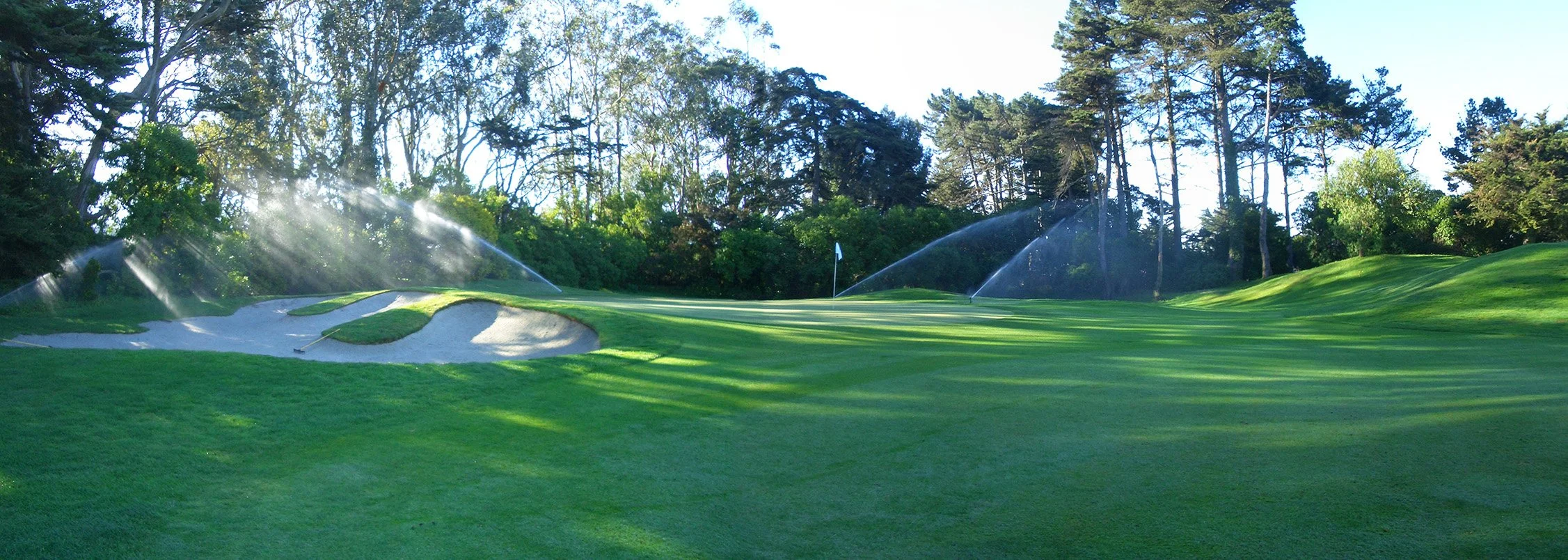
Step 10: The Design and Installation of the Irrigation System
This article will take a closer look at where there might be opportunities for greater efficiency and flexibility in the design of the irrigation system. Also, we will discuss the installation of the irrigation system and how it fits in with the other activities happening concurrently on the construction site. Finally, we will discuss best management practices for use of the irrigation system.
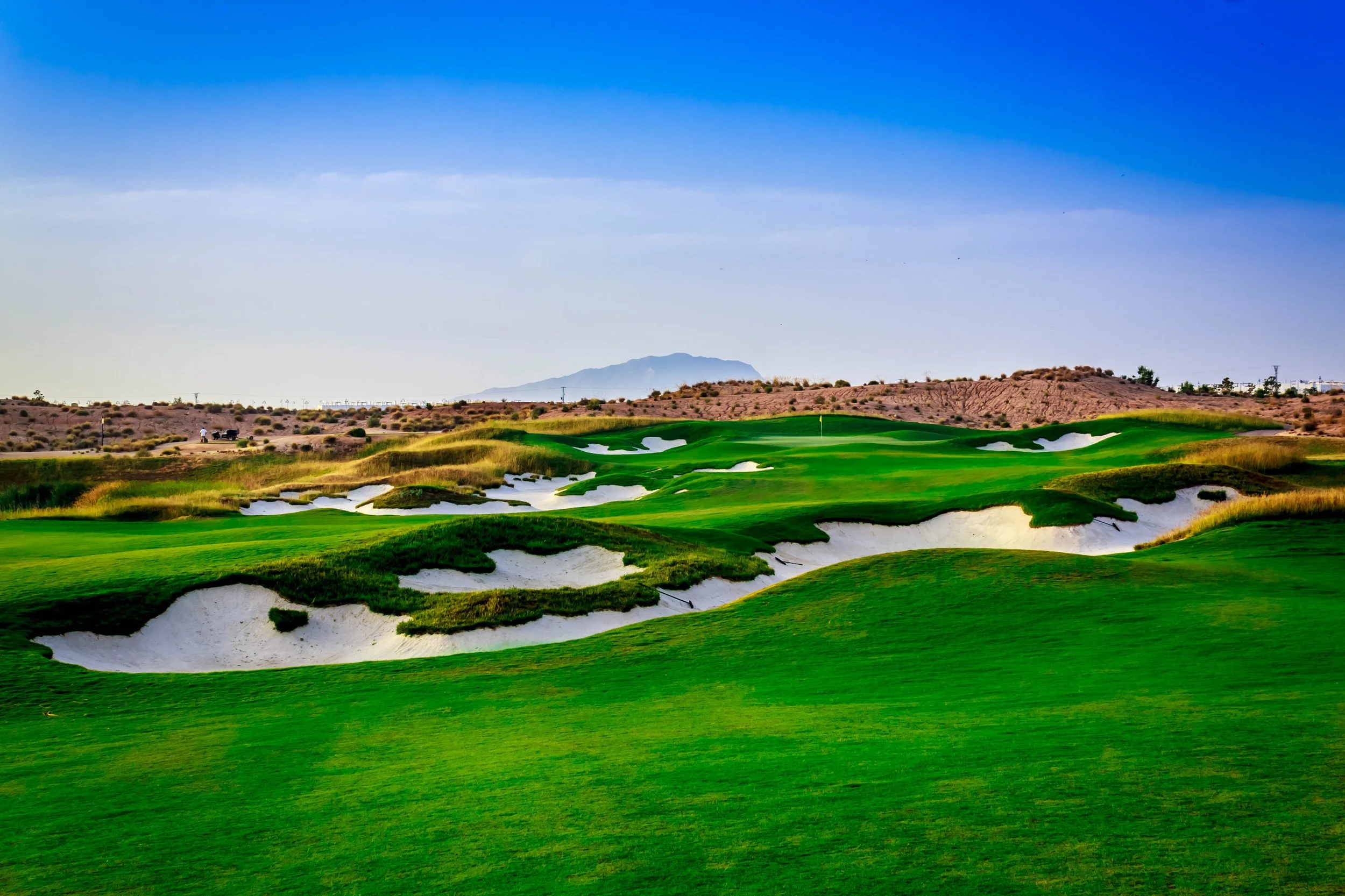
Step 9: From Rough Shaping to Fine Shaping
The personality of the golf course is expressed through the fine shaping of the golf features, which is a further refinement of bulk earthwork and rough shaping. In an ideal situation, the golf course architect and the shaper can have an open and honest dialogue throughout the project, continually updating and refining the golf course architect’s preliminary ideas while staying consistent with the golf course architect’s overall vision (and within the boundaries of the schedule and budget).
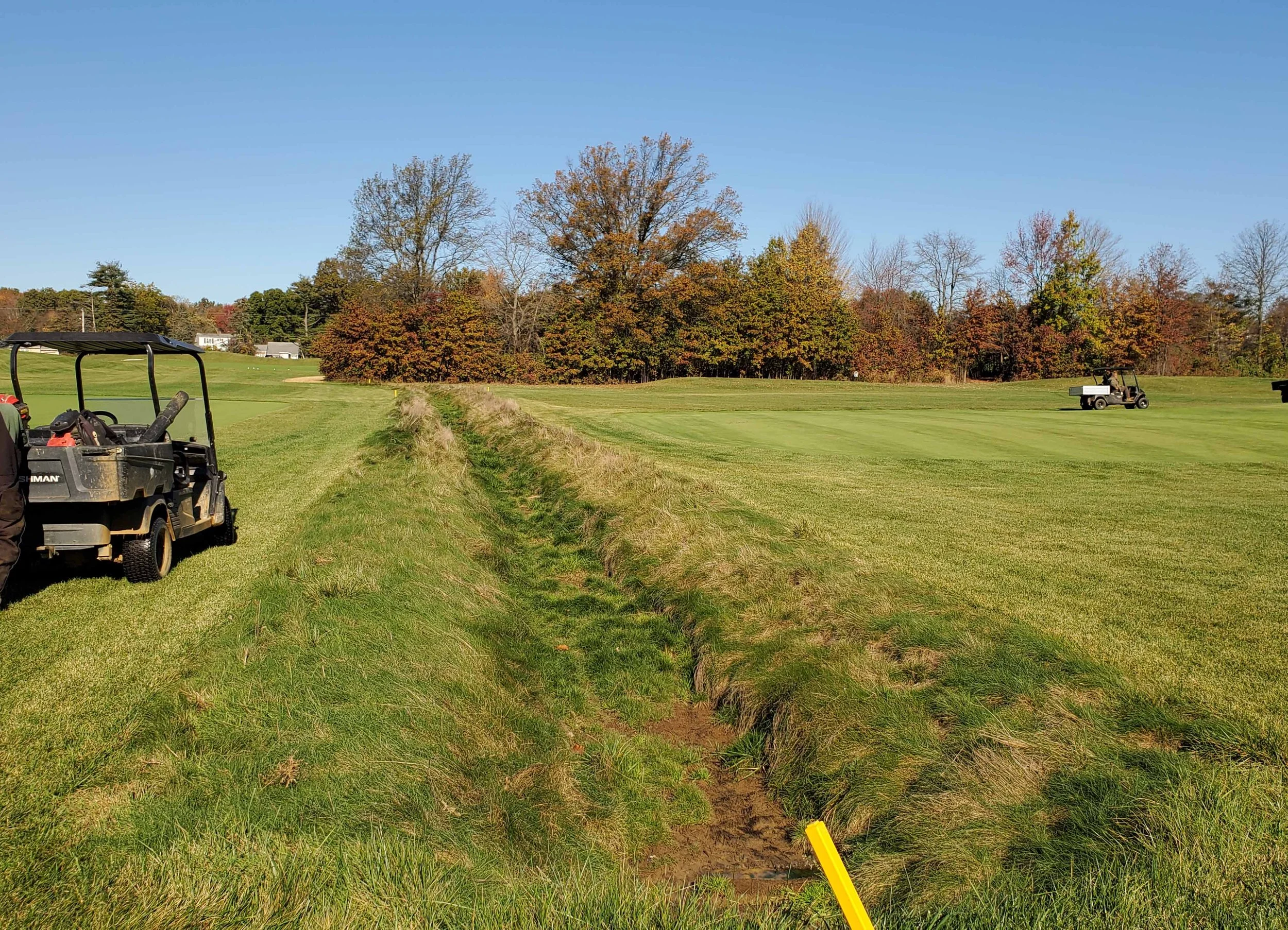
Step 8: Storm Drainage Design and Installation & An Overview of SuDS
Controlling stormwater on a golf course is about more than preventing the flooding of facilities and play areas. In addition to controlling the amount and rate of water leaving the course, stormwater control also involves storing irrigation water, controlling erosion and sediment, enhancing wildlife habitat, removing waterborne pollutants, and addressing aesthetic and playability concerns.
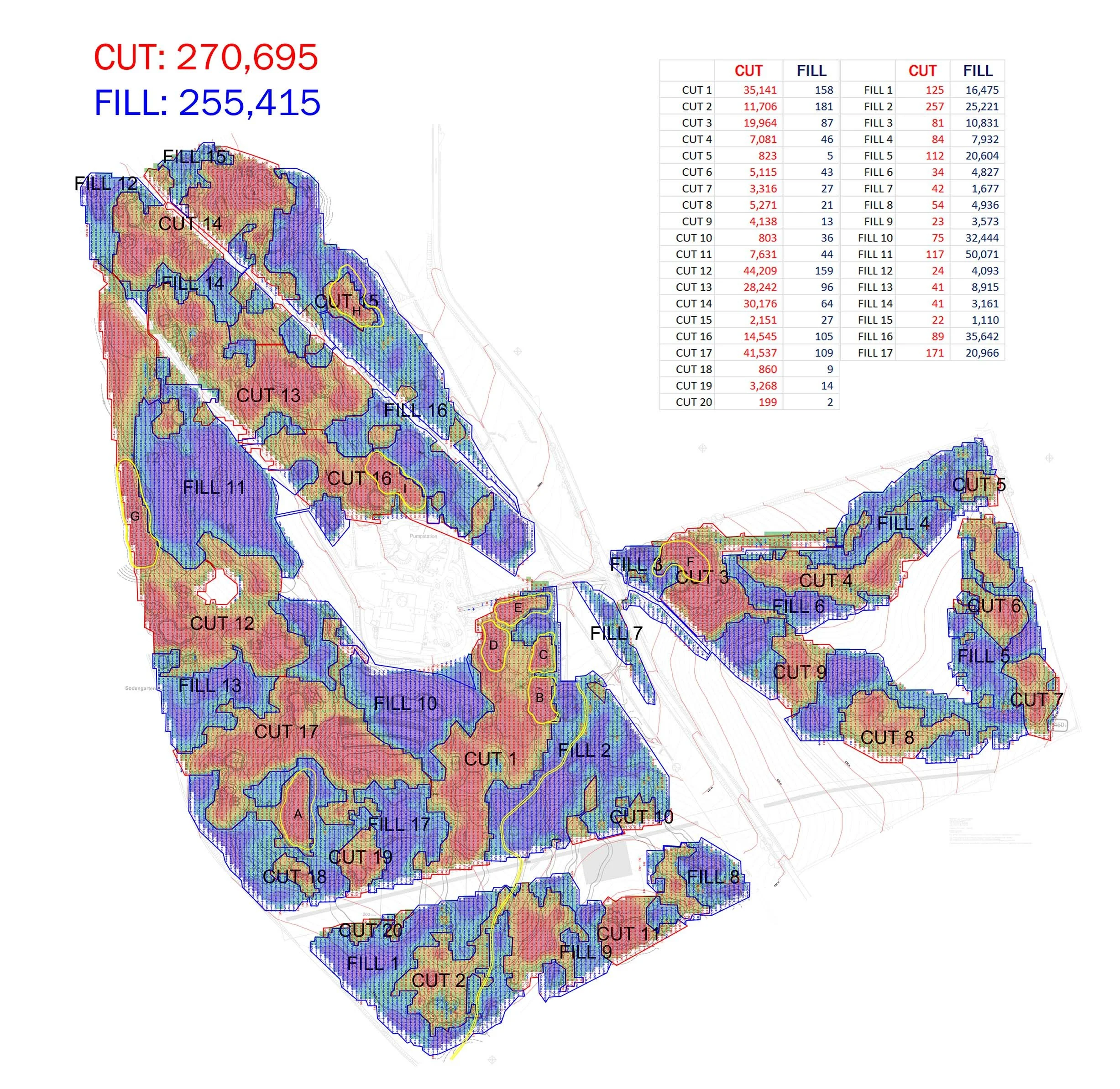
Step 7: Bulk Earthwork
It is most efficient, cost-effective, and environmentally sensitive to minimize bulk earthwork to the greatest extent possible. When bulk earthwork must be done (e.g. to build an irrigation supply pond), the haul distances should be minimized and cuts and fills should balance. Paying to import or export material should be avoided when possible.
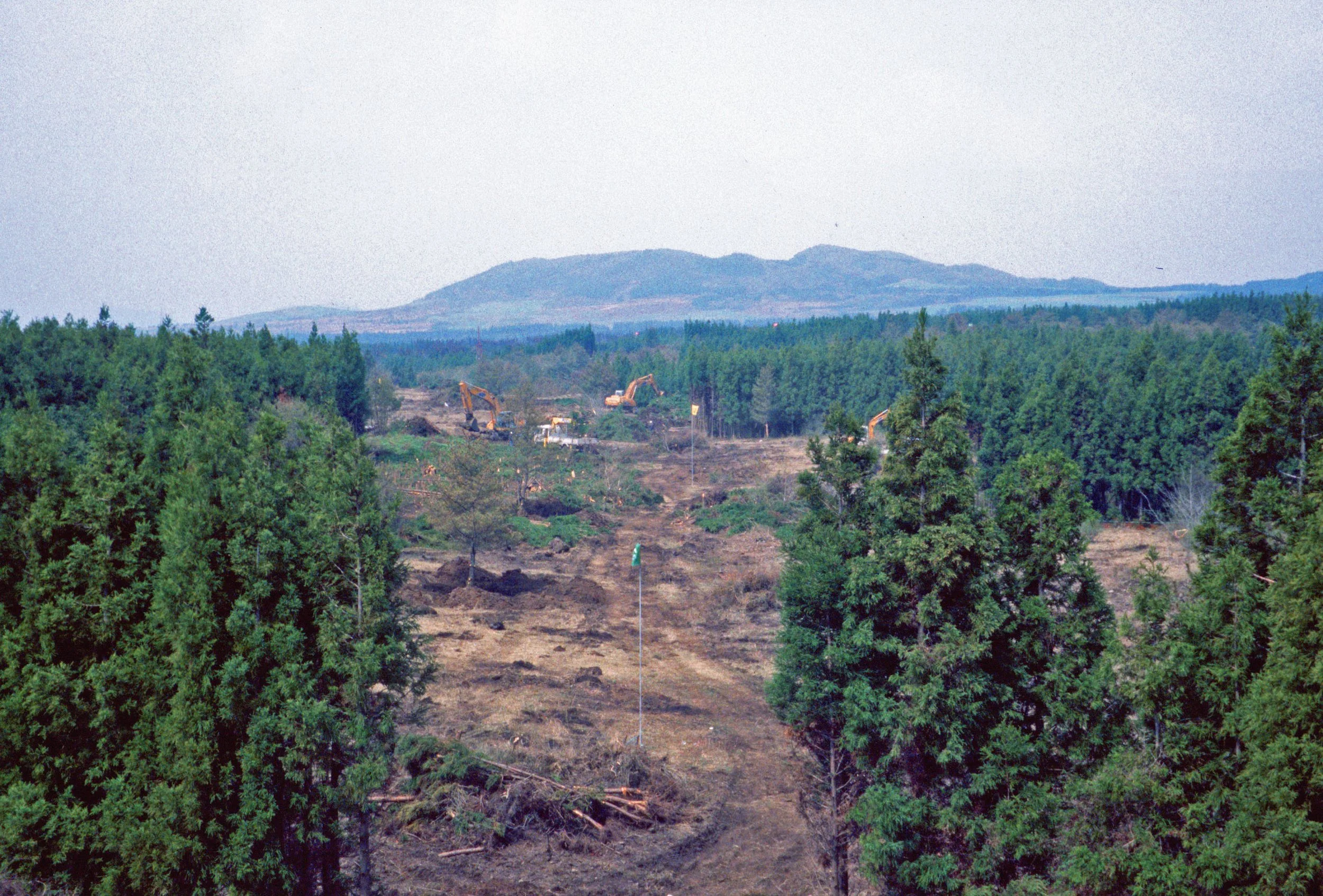
Step 6: Environmental Planning Principles, Routing the Golf Course, Surveying, Site Preparation, and Clearing
For new golf developments it is important for the design team to understand and apply environmental planning principles during the design process, including spatial principles, biological community principles, and water quality principles, to better minimize the negative impacts of site disturbance and vegetative clearing and maximize the environmental benefits of the site.
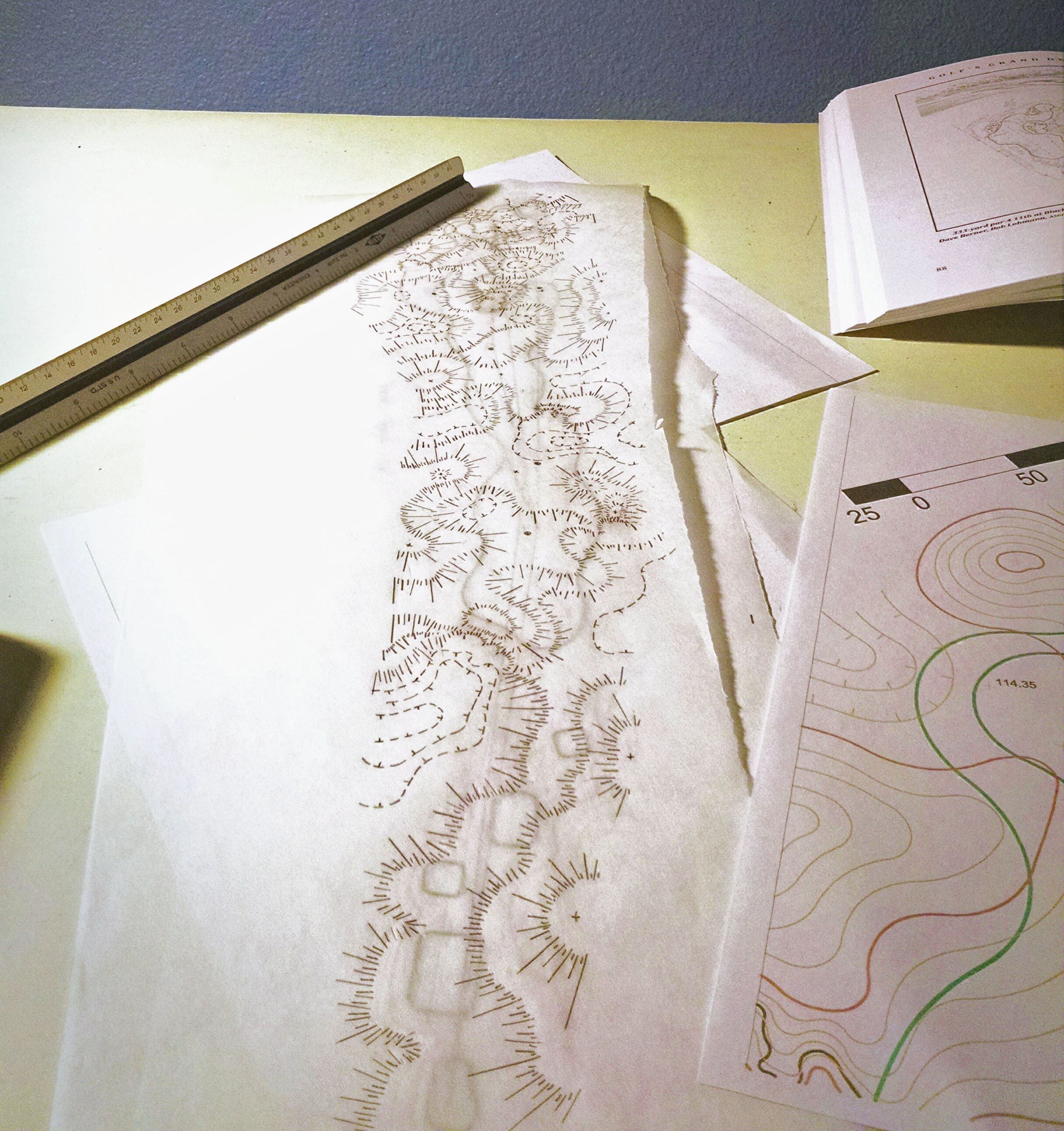
Step 5: Design Documentation and the Bid Tender Process
Whether the project is Design-Bid-Build or Design-Build, the golf course architect should be thoroughly familiar with the site and also flexible enough to take advantage of opportunities that arise once construction has begun.
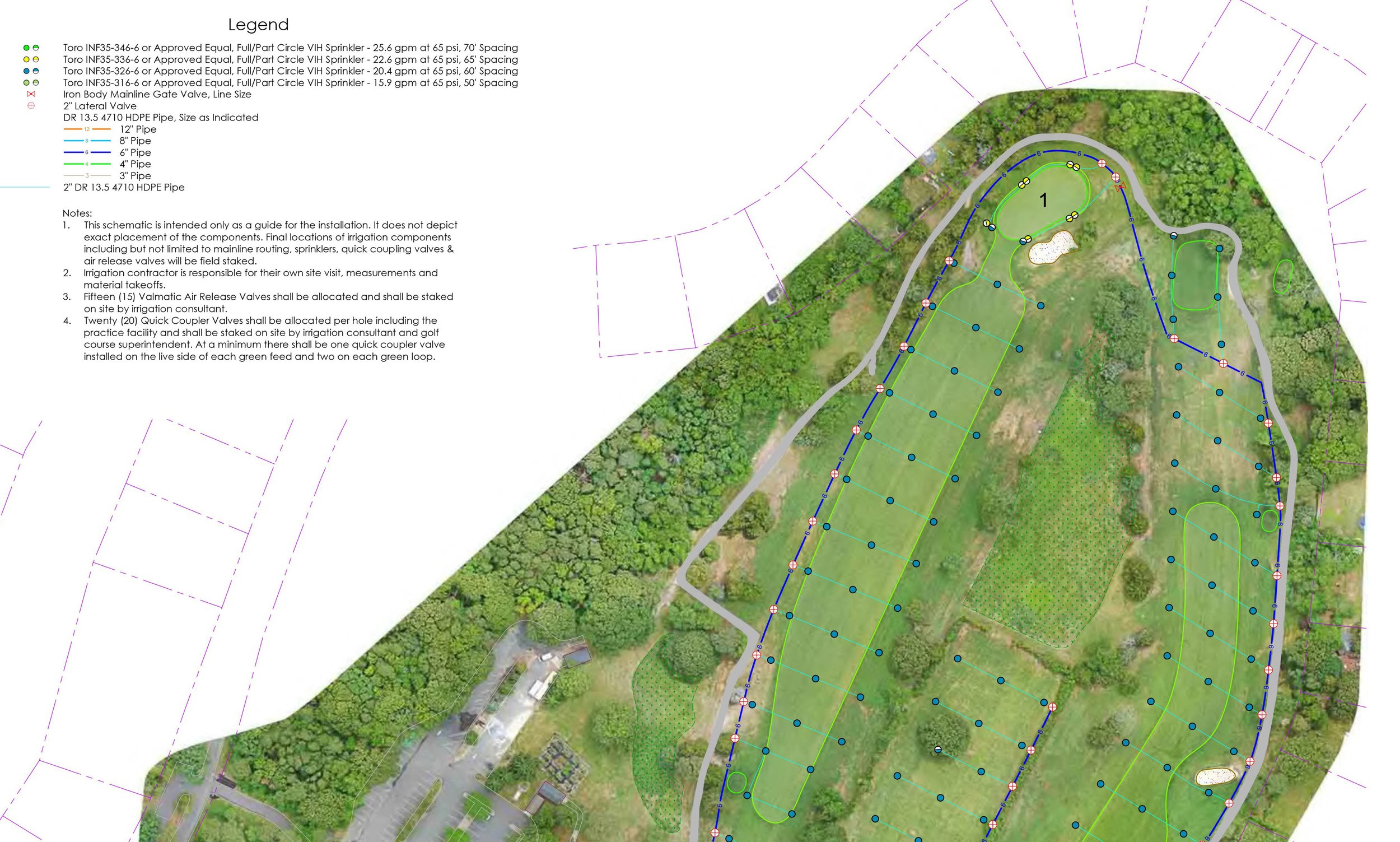
Step 4: The Role of an Irrigation Design Consultant
Modern irrigation systems are very flexible and complex so hiring an experienced irrigation design consultant early in the design process will help ensure that the irrigation system is properly designed for maximum efficiency and for the specific requirements of the golf course.
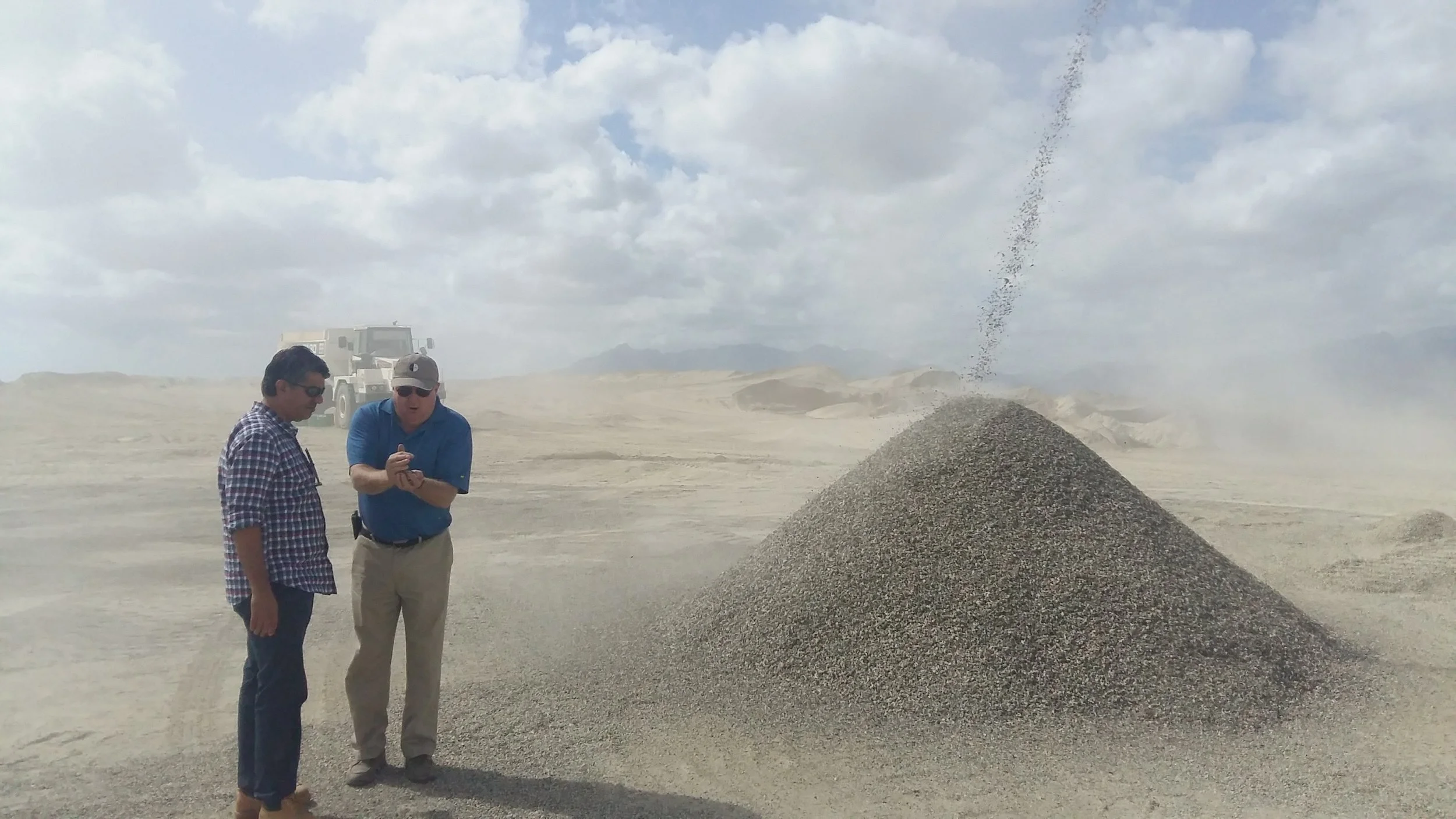
Step 3: The Importance of a Consulting Agronomist
A consulting agronomist (who may or may not become the golf course’s superintendent) will aid in the selection of raw materials (topsoil, sand, gravel, grass seed/sod/sprigs) that the golf course will be built from. They will also help to achieve the best possible growing medium for the selected grasses. Sourcing materials locally will have many sustainability benefits.
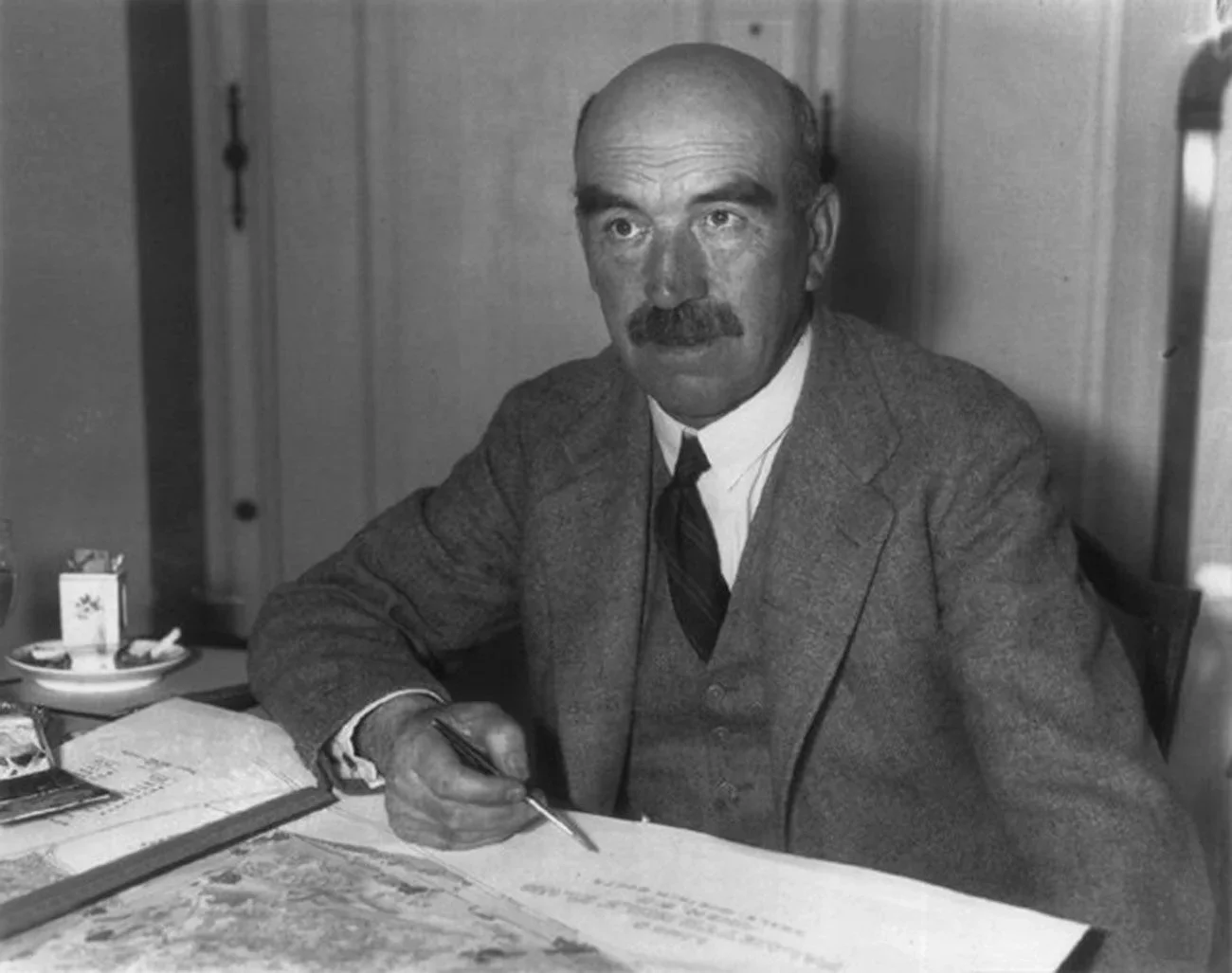
Step 2: The Various Modus Operandi of Golf Course Architects
Over the last 170+ years, there have been many approaches to designing and building golf courses. What are the keys to maximizing the environmental and economic potential of a golf course site?
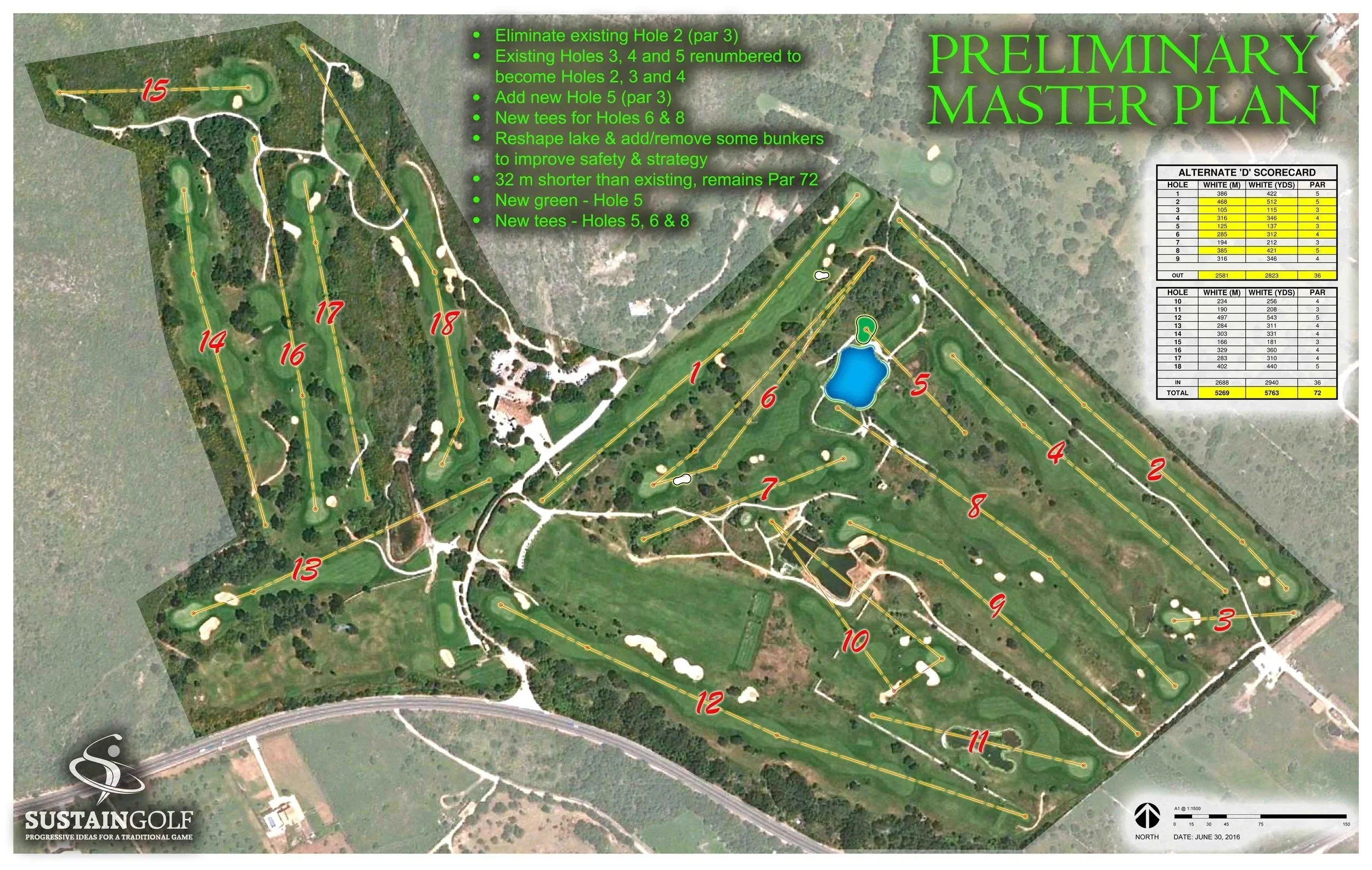
Step 1: The Sustainability Benefits of Hiring a Qualified Golf Course Architect
A discussion of the benefits of hiring a qualified and experienced golf course architect for new construction or renovation projects of any size.

What Is Sustainability And Why Is It So Important To The Future Of Golf?
An introduction to a series of articles highlighting more sustainable golf course design and construction practices.